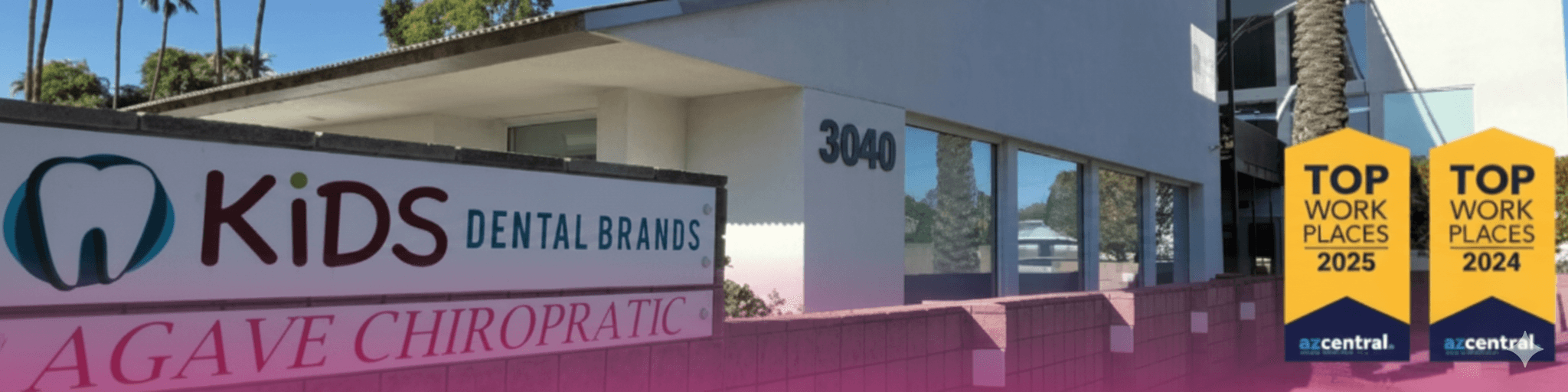
In the demanding world of healthcare facilities management, where operational failures can directly impact patient care and regulatory compliance, leaders must navigate a complex landscape of technical challenges, vendor relationships, and team dynamics. Nick Straka, Director of Facilities at Kids Dental Brands, exemplifies the strategic thinking and leadership principles that drive success in this critical field.
With over nine years of experience spanning multiple dental support organizations, Straka's career trajectory offers valuable insights into building resilient operations, fostering effective partnerships, and developing high-performing teams in regulated environments. His approach to leadership, grounded in transparency and accountability, provides a blueprint for professionals seeking to advance in facilities management.
The Foundation of Operational Excellence
Straka's philosophy centers on a fundamental principle that distinguishes exceptional facilities leaders: the recognition that every operational decision ultimately impacts patient care. At Kids Dental Brands, where he oversees facilities operations across multiple locations, this patient-centric mindset shapes every aspect of his approach.
His transition from Heartland Dental, where he spent eight and a half years, to his current role demonstrates the importance of continuous growth and embracing new challenges. The move introduced him to dental equipment management, expanding his expertise beyond traditional facilities maintenance. This willingness to step outside established comfort zones and acquire new competencies reflects a growth mindset essential for leadership advancement.
Strategic Vendor Partnership Development
One of Straka's most significant contributions to operational excellence lies in his approach to vendor relationships. His experience taught him to be skeptical of service providers who claim universal capabilities across all trades and geographic regions. Instead, he advocates for partnering with specialists who excel in specific areas and serve defined geographic markets.
This strategic approach to vendor selection reflects deeper business acumen. By choosing partners with focused expertise rather than broad but shallow capabilities, organizations can achieve higher quality outcomes and more reliable service delivery. Straka's emphasis on treating vendors as extensions of his team, with shared accountability for outcomes, creates a partnership model that drives mutual success.
The Economics of Proactive Management
Straka's insights into the financial implications of reactive versus proactive maintenance reveal sophisticated operational thinking. His recognition that reactive approaches create compounding costs, both in immediate repair expenses and lost revenue from operational disruptions, underscores the business case for preventive maintenance programs.
His experience with asset lifecycle management, particularly regarding HVAC systems and refrigerant regulations, demonstrates the strategic value of anticipating regulatory changes and equipment obsolescence. By proactively addressing aging infrastructure before critical failures occur, organizations can control costs and minimize operational disruptions.
"The integration of technical competence, strategic thinking, and genuine commitment to team development is what creates lasting value for patients and organizations."
Leadership Through Transparency and Accountability
Straka's leadership philosophy emphasizes two non-negotiable principles: transparency and accountability. His commitment to open communication, even when delivering difficult feedback, creates an environment where problems are addressed promptly rather than allowed to compound.
His approach to accountability reflects mature leadership thinking. By taking responsibility for team failures and viewing them as leadership development opportunities, he creates a culture where team members feel supported while maintaining high performance standards. This balance between support and accountability is essential for building resilient, high-performing teams.
Building Resilient Operations
Straka's experience during the COVID-19 pandemic, where he successfully reduced recurring maintenance costs by $60,000 while maintaining operational continuity, demonstrates adaptive leadership under pressure. His ability to quickly assess changing circumstances and adjust operational strategies while preserving essential services reflects the agility required in modern facilities management.
Practical Applications for Emerging Leaders
Nick Straka's journey in healthcare facilities management illustrates that exceptional leadership emerges from the intersection of technical competence, strategic thinking, and genuine commitment to team development. His approach provides a roadmap for professionals seeking to build careers that create lasting value for their organizations and the patients they ultimately serve.